
 Greeceἀρετή
The hoplite
Areté · excellence
To be the best at what is one’s own and win a glory that outlives death. The ideal of Achilles and of those who stood at Thermopylae.
“History is not contained in thick books but lives in our very blood.”
Carl G. Jung

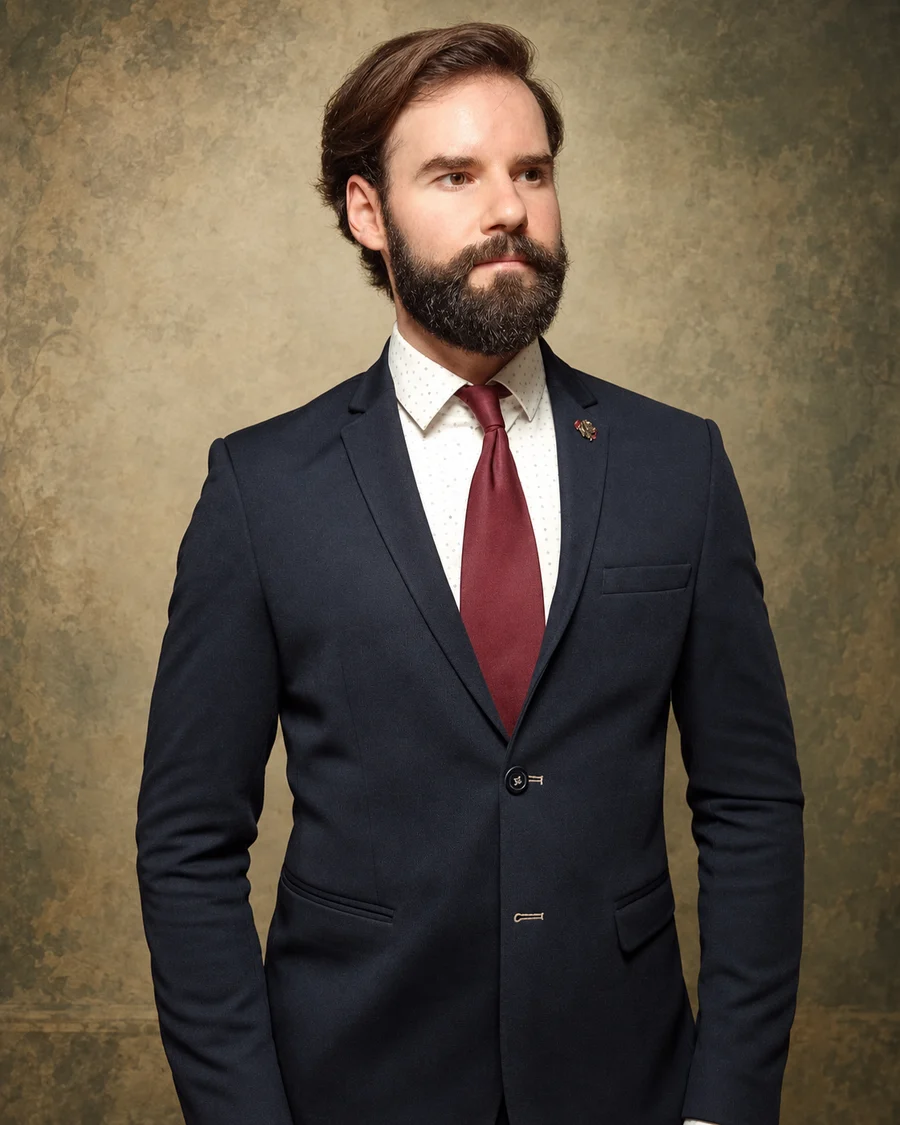
A History graduate of the University of Valencia, César Pellicer studies what the treatises leave out: the spiritual and mythical force that forges peoples and the men who defend them.
A specialist in medieval and early modern Europe and in the history and culture of Japan, his research brings together geopolitics, ancient military tactics and the spiritual and mythical factors that shape national identities.
He has published articles in the Spanish Army’s Revista de Historia Militar and teaches at the Oswald Spengler Academy of Higher Studies. His books, courses and lectures follow a single thread: the heroic values that run through Greece, Rome, feudal chivalry and the Japan of the samurai.
“The soul of paganism remained latent and alive in the hidden river of Tradition.”
Editorial EAS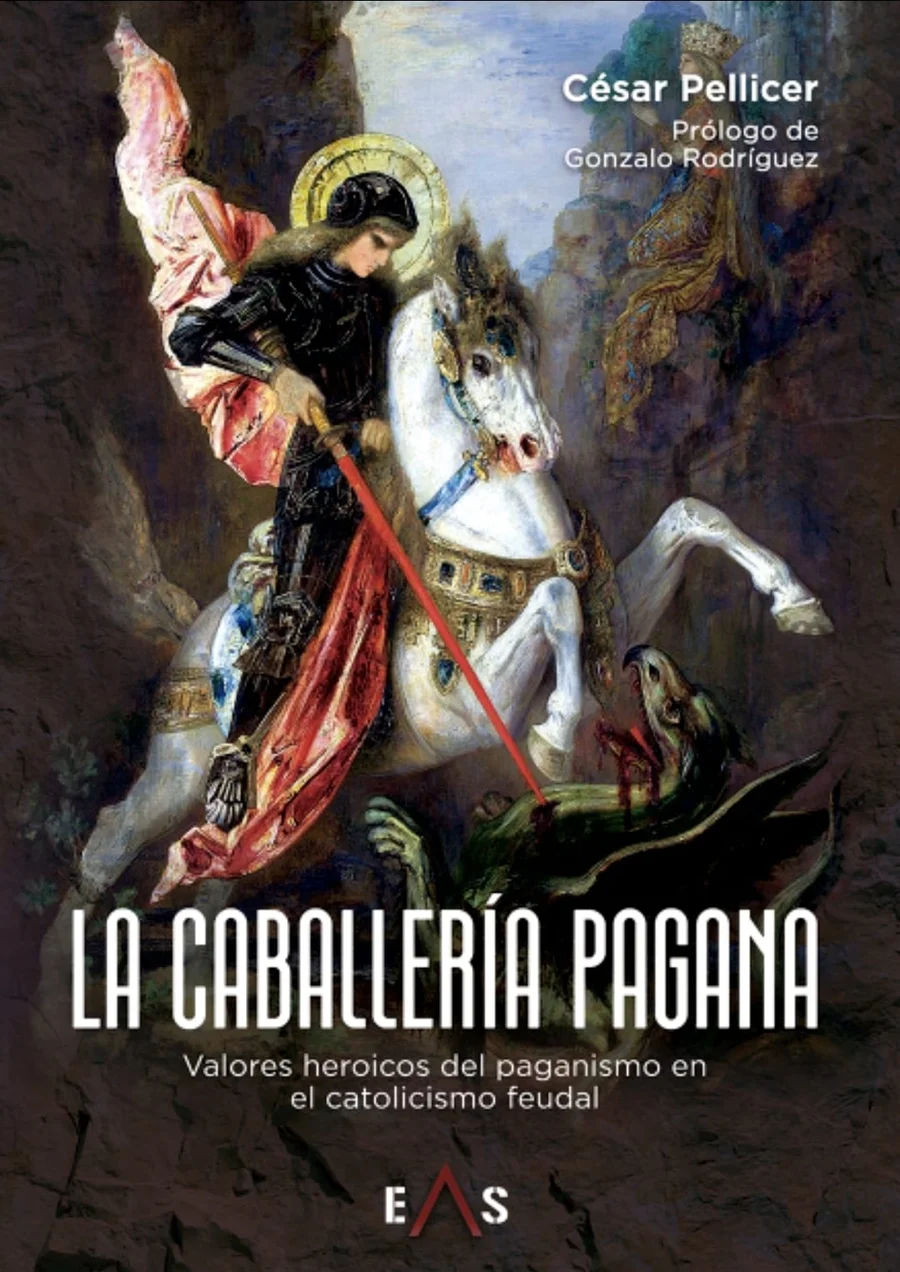
The Pagan Knighthood: heroic values of paganism in feudal Catholicism
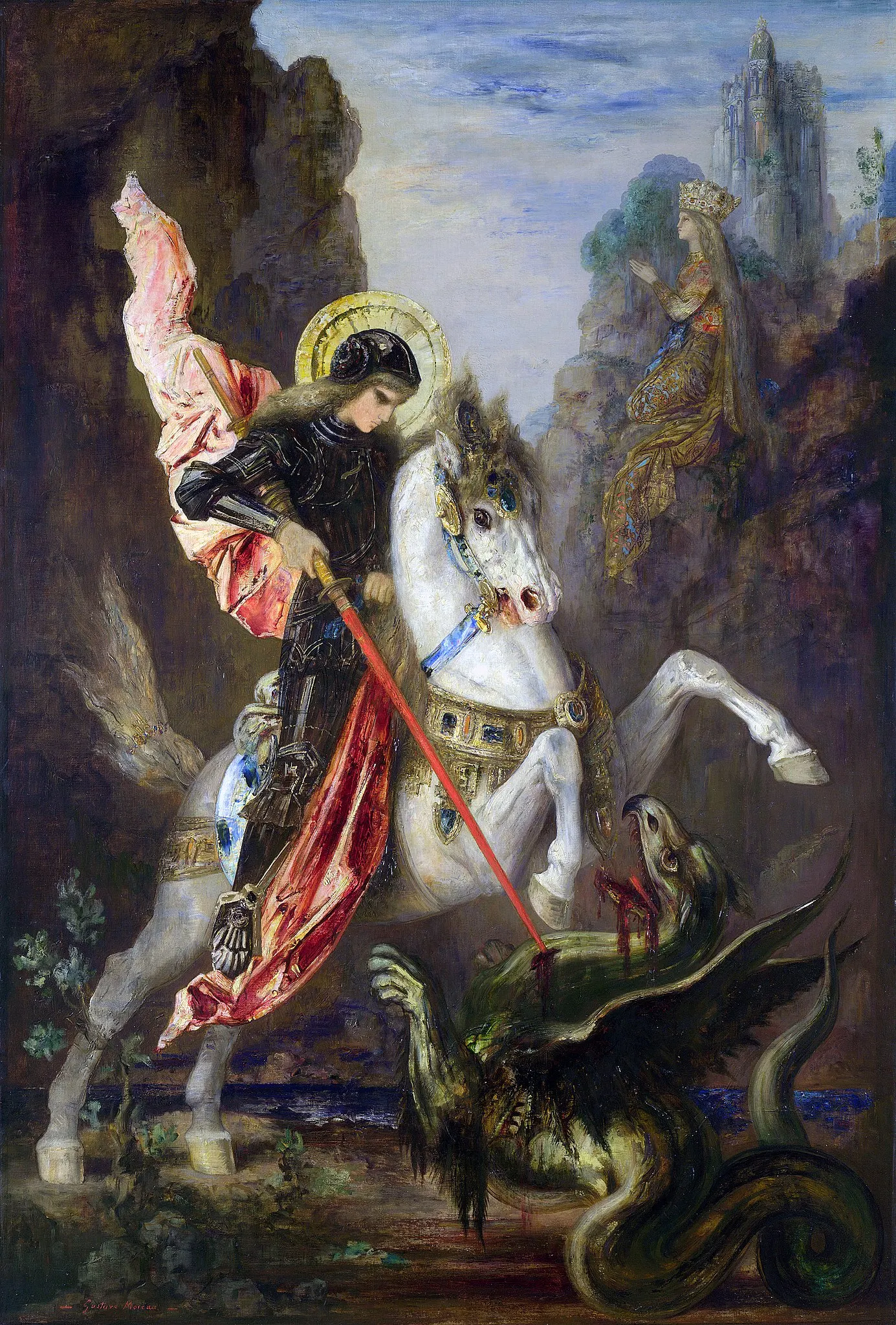
The Middle Ages were not entirely Christian. Beneath the knight’s mail beat the archetypes of the classical world: the Homeric hero, Roman virtus, the warrior’s oath.
César Pellicer follows that underground river from Antiquity to the romances of Chrétien de Troyes, and shows how the chivalric ideal flowered as the synthesis of two worlds.
Reader reviews Goodreads Amazon reviews
From hoplite to samurai, the warrior’s ethic returns under different names. These are the traditions that César Pellicer’s work explores.
Greeceἀρετή
To be the best at what is one’s own and win a glory that outlives death. The ideal of Achilles and of those who stood at Thermopylae.
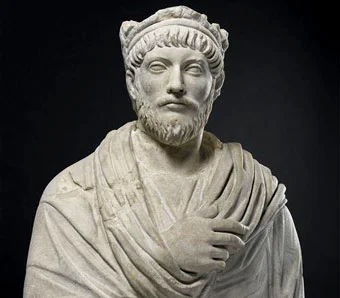
Courage in the service of the res publica, duty to the gods and the ancestors, the given word. Julian was its last defender on the throne.
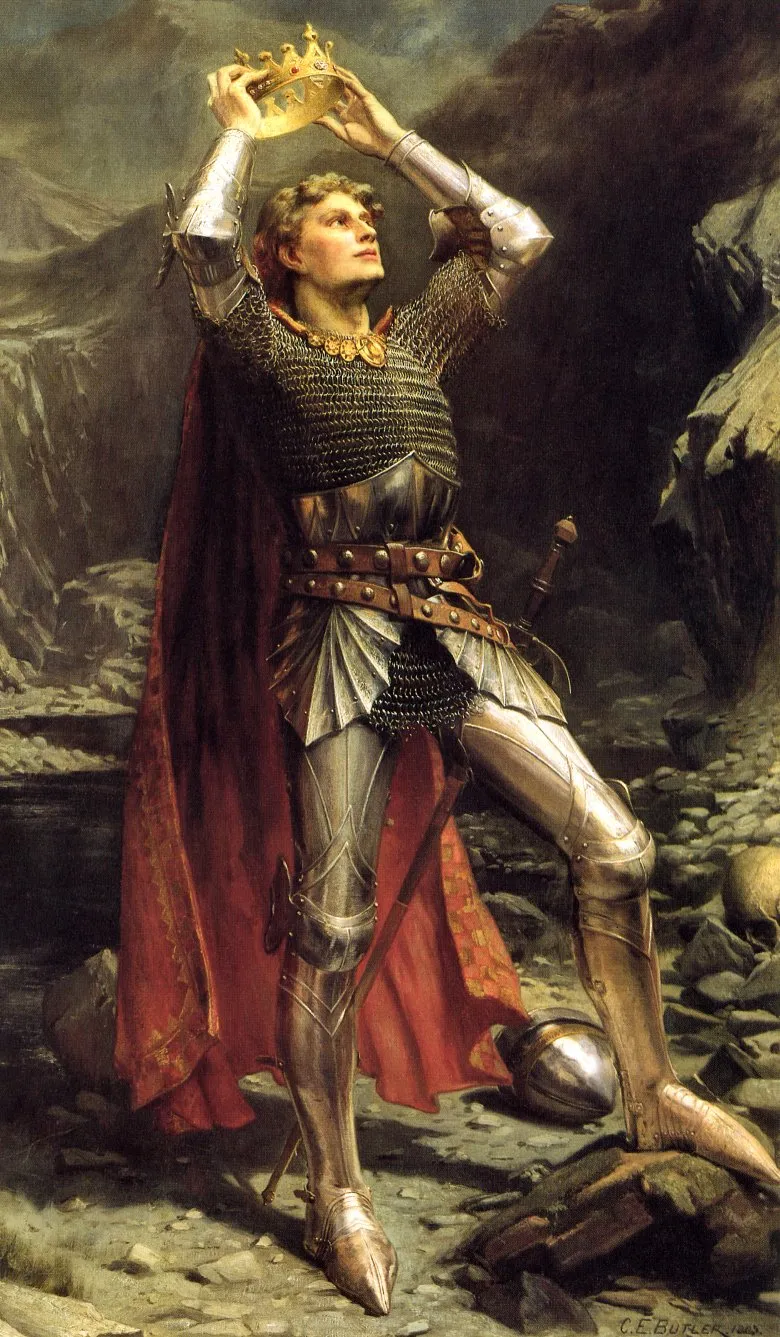
The Arthurian world inherits the ancient hero and baptises him. Pagan prowess and Christian faith, forged in the same steel.
The mirror of the East: rectitude, sincerity and loyalty unto death. Another chivalry, born at the other end of the world.
The traditional values the knight inherited from the ancient warrior, in their original languages.
Becoming fully what one is. The virtue of the Homeric hero, measured in deeds.
Courage placed at the service of the community, not of one’s own glory.
The devotion of Aeneas: to the gods, to the fatherland and to the lineage one carries on one’s shoulders.
The given word as a sacred bond, root of the feudal oath of vassalage.
A clean name defended with one’s life. The legacy of Greek kleos in the knight.
That word and deed be one. The upright heart of the samurai.
The soul of paganism remained latent and alive in the hidden river of Tradition.— La caballería pagana
Achilles and Hector fix the model of the hero for ever: areté in battle, undying glory.
Leonidas and his Spartans turn sacrifice into example. The λ on the shield becomes a symbol.
The Roman hero no longer seeks glory alone: he carries pietas, duty to gods, fatherland and lineage.
He tries to restore the ancient cults in an empire that is already turning Christian.
Lancelot, Perceval, the Grail: in his romances the ancient hero is reborn as a Christian knight.
In Japan, another warrior aristocracy forges its own code: Bushidō.
The epic returns to twentieth-century literature: Aragorn, heir of Achilles, Siegfried and Arthur.
The dead cannot rest when their people no longer understand the sacrifice they made for them.
César Pellicer teaches courses and gives lectures at the Oswald Spengler Academy of Higher Studies — live, online and with recordings available. All sessions are in Spanish.

All courses and lectures take place at the Oswald Spengler Academy, where you can enrol and watch the recordings.
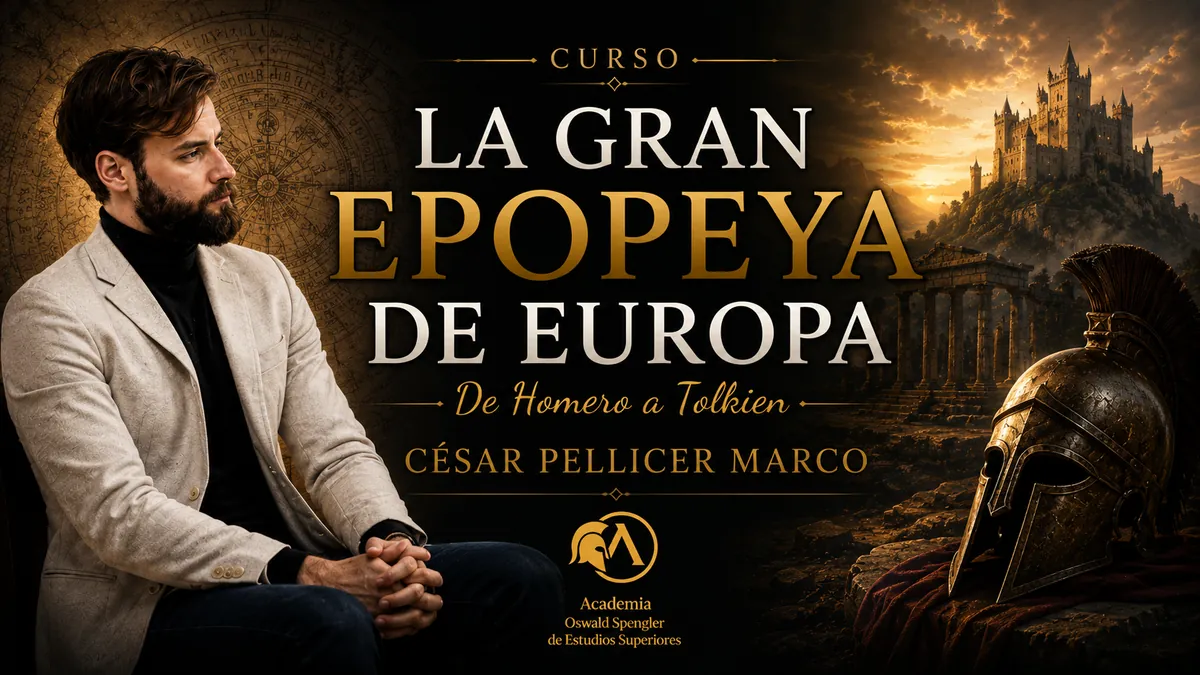
A journey through the great heroic tales that have shaped Europe’s cultural identity for more than three thousand years: from the Iliad and the Odyssey to the Arthurian cycle, the Nibelungs, the Grail and the work of J. R. R. Tolkien. How the archetypes of the hero were born, and why they still live in our literature and imagination.
The video loads from YouTube only when you press play.
Europe and Japan, two warrior aristocracies with parallel destinies: from 11th-century feudalism to their eclipse by gunpowder at Pavia and Nagashino.
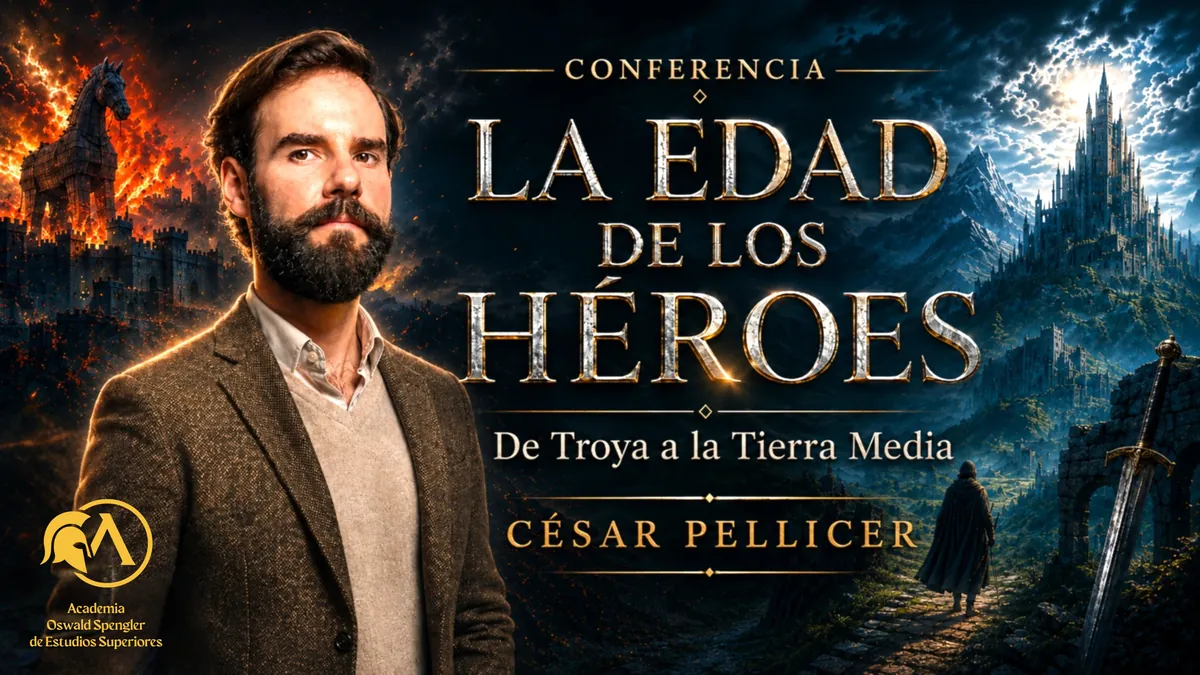 Lecture
The legendary lineage that links Achilles, Odysseus, Siegfried, Arthur and Aragorn: how heroic archetypes outlived the centuries, were transformed by medieval chivalry, reborn in Wagner and given new life in Tolkien’s mythopoeia.
View at the Academy →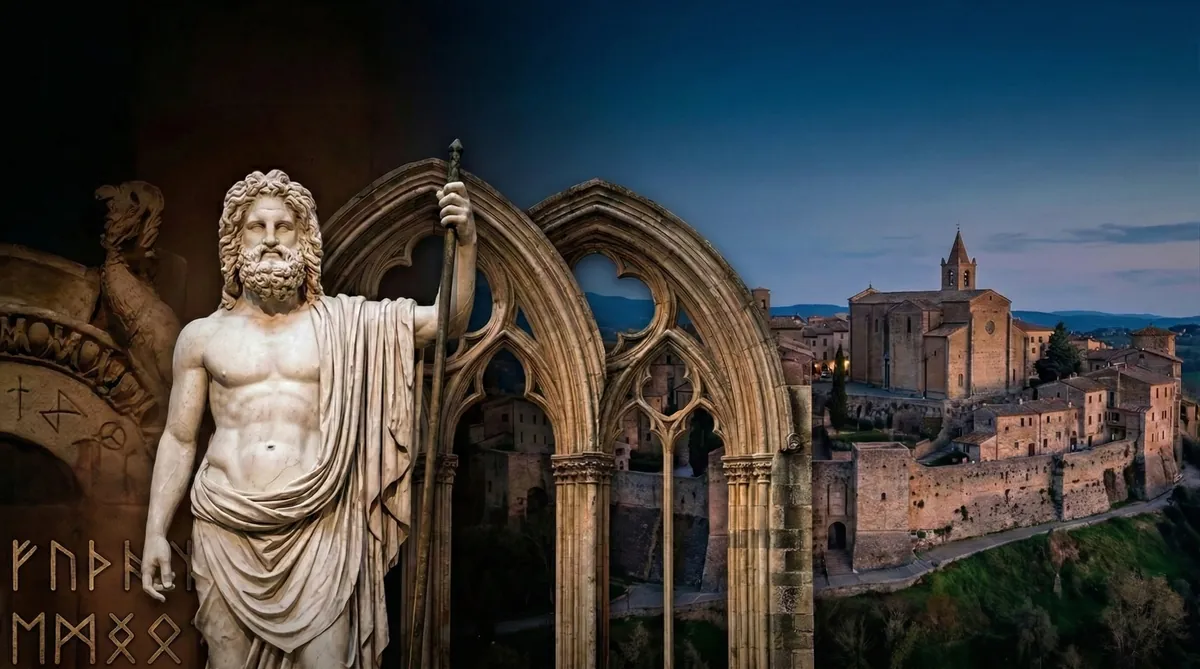 Course
From Indo-European roots to contemporary culture: the conflict between paganism and Christianity, the polemic of Celsus, Julian’s restoration, the continuity of heroic motifs in the Middle Ages and the modern recovery of myth in Spengler, Jung, Eliade and Tolkien.
View at the Academy →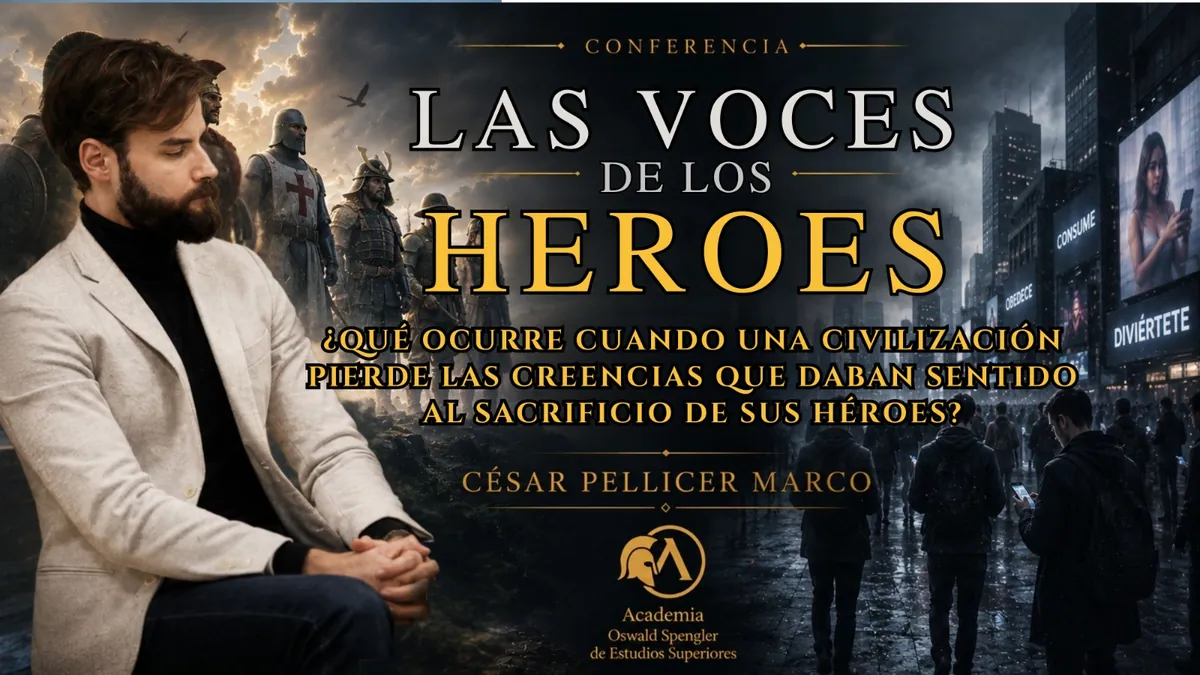 LectureTrailer
Starting from Yukio Mishima’s «Voices of the Heroic Dead»: what happens when a civilisation loses the beliefs that gave meaning to its heroes’ sacrifice? A reflection on decline, memory and historical continuity in the light of Oswald Spengler.
View at the Academy →
Beyond the Academy, César Pellicer accepts invitations from cultural associations, universities, bookshops and the media.



New courses, lectures, books and presentations, straight to your inbox. No noise: only when there is something to announce.
For lectures, presentations, interviews or collaborations, write a few lines and César will reply. Messages in English are welcome.